
Why Digital Security Has Become an Essential Part of Modern Technology
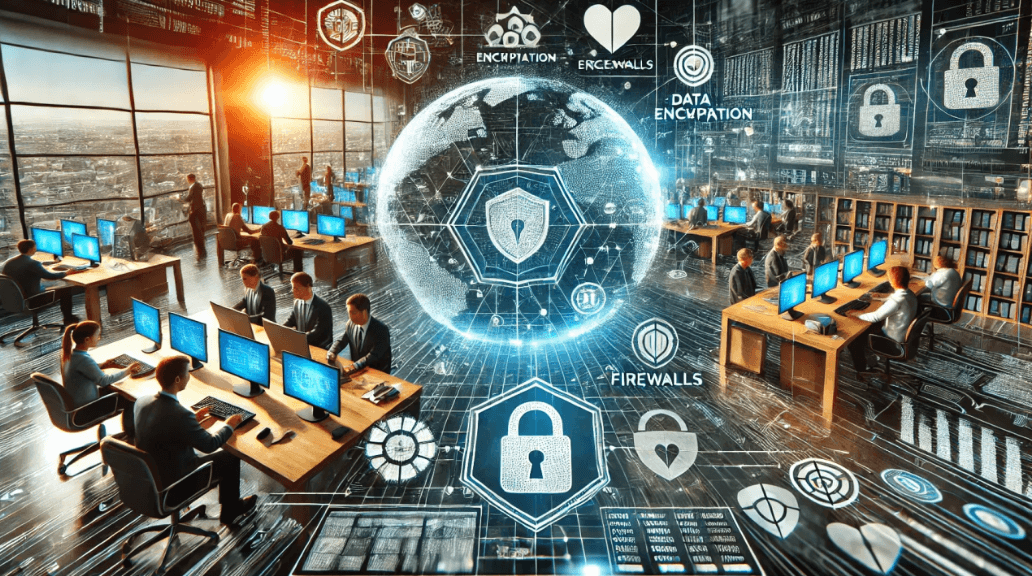
Modern technology has made life faster and more connected, but greater connectivity also creates new responsibilities. Personal information, financial details, work documents, photographs, and important accounts can all exist in digital form. Protecting these resources has therefore become an essential part of using technology responsibly.
The Value of Personal Information
Information has become one of the most valuable resources in the digital world. Names, email addresses, account credentials, payment details, and other personal information may be stored across multiple online services.
Users should understand what information they are sharing and with whom. Reviewing privacy settings and limiting unnecessary data sharing can be useful steps toward better digital awareness.
Stronger Account Protection
A single weak password can create problems across multiple accounts, especially when people reuse the same password repeatedly.
Using strong, unique passwords and enabling multi-factor authentication where available can add additional protection. Keeping recovery information updated can also make account management easier if access is ever lost.
See also: 20xbusiness.com
The Importance of Software Updates
Software updates are sometimes viewed as minor inconveniences, but they can contain important security improvements. Operating systems, browsers, applications, and connected devices may all require regular updates.
Keeping software current can reduce exposure to known security weaknesses and also provide access to improved features and performance.
Recognizing Suspicious Activity
Digital security is not only about technical tools. User awareness matters as well. Suspicious messages, unexpected attachments, unusual login alerts, and requests for sensitive information deserve careful attention.
People should avoid clicking unfamiliar links or sharing confidential information simply because a message appears urgent. Taking a moment to verify a request can prevent avoidable problems.
Security for Businesses
Organizations face additional responsibilities because they manage information belonging to employees, customers, and business partners. Security policies, access controls, employee training, backups, and incident-response procedures can all contribute to a stronger security environment.
Cybersecurity should not be treated as a one-time project. It requires ongoing attention because digital threats and technologies continue to change.
Building Better Digital Habits
Technology becomes more useful when people understand how to use it safely. Simple habits such as updating devices, protecting accounts, checking suspicious communications, maintaining backups, and learning basic privacy practices can make a meaningful difference.
Digital security is ultimately a shared responsibility. Technology providers can build safer systems, businesses can establish better controls, and individual users can develop habits that reduce unnecessary risks.
One Comment